Playing the Long Game: Why We Think About Value Like a Board Game
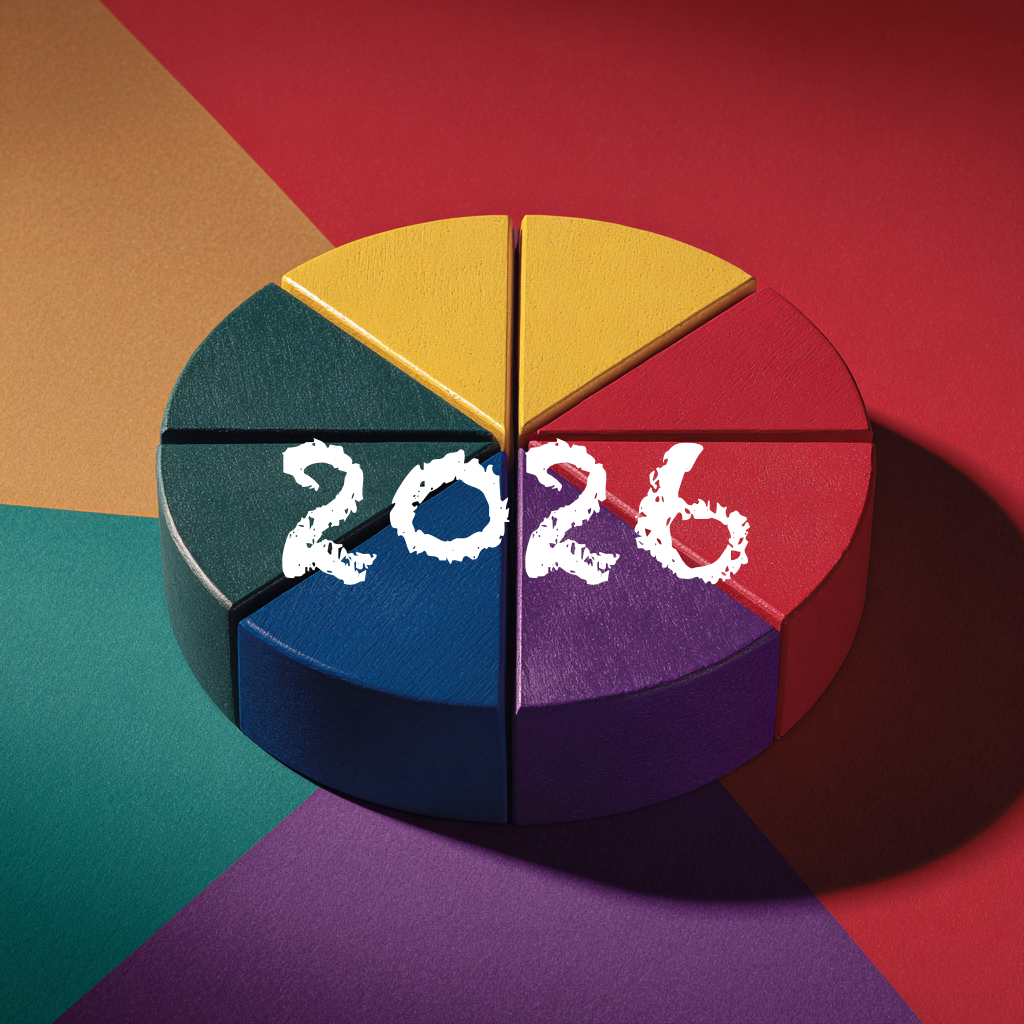
As we start the year, teams everywhere are gathering round for objectives and hopes for the months ahead. There's something almost ritualistic about it: the fresh notebooks, the ambitious goals, the collective optimism that this will be the year everything clicks.
In some ways, it's like going around the game board another time. You roll the dice, hoping for sixes, trying to collect value across many different fronts. And as we sat down for our own planning session, we realised something: the best framework for thinking about sustainable business growth might just be sitting in your cupboard gathering dust.
The Trivial Pursuit Approach to Business Value
Stick with us here. Remember Trivial Pursuit? Those coloured wedges you had to collect to win? Each colour represented a different category of knowledge. Well, what if we thought about business value the same way?
We started asking ourselves: How can our customers get more value from our business? That's our yellow segment. What about our staff, the people who show up every day to make this thing work? That's red. Our shareholders who've backed us? Purple. The partners we collaborate with? Blue. And what about the community we operate in, and the environment we all share? Pink and green.
Suddenly, success isn't just about filling one wedge. It's about completing the whole circle.
Rolling the Dice: Revenue and Operations
Here's where it gets interesting. To fill those wedges, to actually deliver value to all these groups, you need two dice.
The first die is revenue. The obvious one. The money that keeps the lights on and lets you invest in growth. But revenue alone doesn't tell you how to create value.
That's where the second die comes in: your operational levers. The stuff that actually makes things happen. People's mindset: Are your team aligned and engaged? Processes: Do you have systems that scale, or are you winging it? KPIs: Are you measuring what actually matters? Product: Is what you're building genuinely useful?
Roll both dice well, and you move forward. Roll poorly, and you're stuck going nowhere, even if one die shows a six.
Why This Isn't Just Another Game
Obviously, other games and colours are available. This doesn't work so well with Cluedo ("It was the CEO, in the boardroom, with the cash flow crisis" doesn't quite have the same ring to it).
But the underlying principle is deliberate and genuinely important: basing our plans through connectivity to ALL of our stakeholders.
Too often, businesses optimise for one group, usually shareholders, at the expense of the others. Short-term gains for investors might mean burned-out staff, neglected customers, or strained supplier relationships. And that works, right up until it doesn't.
The more connected we are to all our stakeholders, the better our decisions become. The better our decisions, the more value we create. And the more value we put out into the world, the better our chances of value coming back in.
It's not a zero-sum game. It's a flywheel.
What This Means in Practice
For us at Pathfinder, this approach shapes everything. When we're designing the assessment, we're thinking: "How does this create value for the founder taking it?" When we're building new features, we ask: "Will this make the work more meaningful for our team?" When we're setting prices, we consider: "Is this sustainable and fair to our partners and our growth?" And when we're making strategic decisions, we challenge ourselves: "What's the impact on the wider ecosystem?"
It's harder than optimising for one metric. It takes longer. But it builds something real, something that lasts beyond the next quarter's results.
Your Turn
As you're setting your objectives for the year ahead, maybe take out that dusty board game and have a look at it with fresh eyes.
Are you trying to fill all the wedges, or just racing for one colour? Are you rolling both dice, or relying on revenue alone? And most importantly: are you playing a game you can actually win long-term?
Because the businesses that survive and thrive aren't the ones that optimise for today. They're the ones that build value across the whole board, for everyone at the table.
Here's to making 2026 a year where we all collect a few more wedges.
What's your approach to balancing stakeholder value? We'd love to hear how you think about these trade-offs. Drop us a note or share your thoughts.